Energy-Efficient, Cost-Effective Insulation for Hot & Cold U.S. Climates: Homeowner & Renter Guide 2025
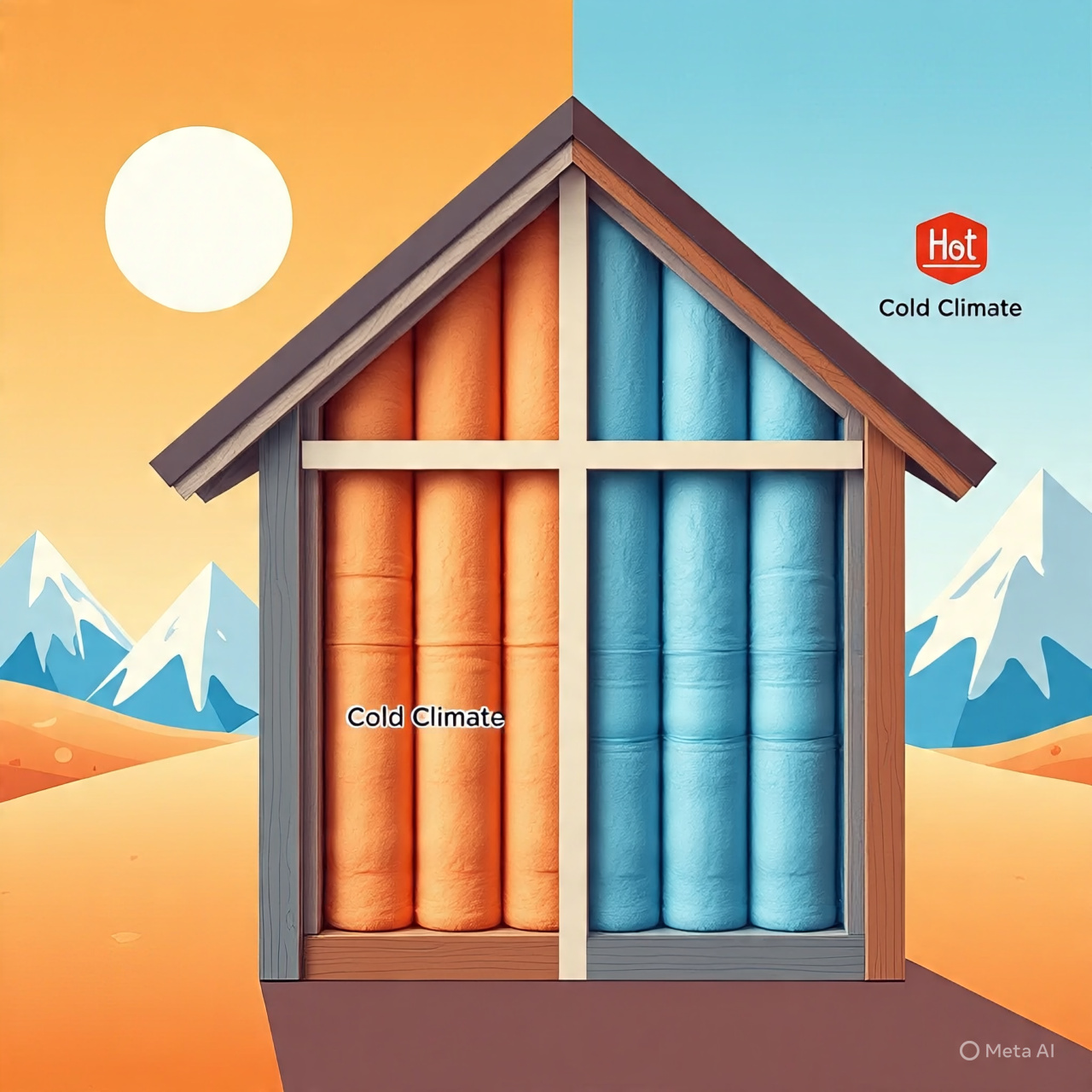
Whether you’re seeking relief from the blazing sun in Texas or trying to stay warm through a snowy Minnesota winter, proper home insulation can dramatically cut your utility costs and increase comfort. For homeowners, DIYers, and even renters across the U.S., knowing the best insulation solutions for both hot and cold climates is crucial for maximizing value and energy savings.
Read on for our expert, updated 2025 guide—including the latest insulation materials, DIY tips, and answers to your most common insulation questions.
Why Insulation Matters in Every U.S. Climate
Good insulation acts as a thermal barrier: In cold states like Minnesota, it stops precious heat from escaping. In hot states like Arizona or Texas, it keeps cool air in and outdoor heat out. According to the U.S. Department of Energy, adding insulation can save you up to 20% on heating and cooling costs (DOE source)—a big win for your wallet, whether you own or rent!
Benefits at a Glance:
- Lower monthly utility costs
- Comfortable, stable temperatures year-round
- Noise reduction
- Higher home value and marketability

Quick Comparison: Top Insulation Types for 2025
| Insulation Type | R-Value (per inch) | Best For | DIY Difficulty | Avg. Cost/sqft | Hot Climate? | Cold Climate? | Special Benefits |
|---|---|---|---|---|---|---|---|
| Blown-In Cellulose | 3.2 – 3.8 | Attics, wall cavities | Moderate | $0.60–$2.30 | ✔️ | ✔️ | Recycled content, air sealing, pest resistant |
| Spray Foam (Open/Closed) | 3.7 / 6.5 | Rim joists, crawlspaces, gaps | Moderate | $1.50–$5 | ✔️ | ✔️ | Air & vapor barrier, best air sealing |
| Fiberglass Batts | 2.9 – 4.3 | Attics, walls, floors | Easy | $0.50–$2 | ✔️ | ✔️ | Affordable, eco options, easy install |
| Rigid Foam Board | 4 – 6.5 | Exterior/basement walls | Moderate | $1.20–$2.50 | ✔️ | ✔️ | High R-value, thin profile, moisture resistant |
| Radiant Barrier | N/A (Reflective) | Attics (hot climates only) | Easy | $0.10–$0.80 | ✔️ (Best) | (Not ideal) | Reflects radiant heat, cheap add-on |
What Makes Insulation Energy-Efficient?
Choosing the right R-value (thermal resistance) for your climate is key. Use the ENERGY STAR climate zone tool to check your zone and recommended R-values by ZIP code.
Energy-efficient insulation features:
- High R-value suitable for your region
- Cost-effective installation and material price
- Moisture and pest resistance
- Air sealing to reduce drafts
- DIY-friendliness if you plan to do it yourself
Top Cost-Effective Insulation Solutions (2025 Update)
1. Blown-In Cellulose Insulation
- Best for: Attic floors, existing wall cavities, hard-to-reach areas
- R-value: 3.2–3.8 per inch
- DIY Notes: Requires blower—often available for rent free when you buy insulation
- Why it’s energy-smart: Eco-friendly, great air sealing, budget-friendly, works in both old and new homes, and good for both hot and cold climates.
- Tip: Layer over existing insulation for a quick R-value boost.
2. Spray Foam Insulation (Open/Closed Cell)
- Best for: Rim joists, crawlspaces, attics, small gaps, and around doors/windows
- R-value: Open-cell 3.7; closed-cell 6.5 per inch
- DIY Notes: Kits available for small jobs (rim joists, leaks); pros recommended for large areas
- Why it’s energy-smart: Provides superior air sealing and moisture protection. Closed-cell is especially effective in extreme cold and heat.
- Tip: Use in high-leakage areas to boost comfort and slash utility bills.
3. Fiberglass Batts (Including Eco Options)
- Best for: Attics, walls, floors (especially renovations and new builds)
- R-value: 2.9–4.3 per inch
- DIY Notes: Easiest to install—just measure, cut, and fit
- Why it’s energy-smart: Inexpensive and widely available; modern options have improved air sealing and sustainability.
- Tip: Choose high-density “eco” batts for higher performance and green credentials.
4. Rigid Foam Board (Polyiso, XPS, EPS)
- Best for: Basements, exterior walls, under siding, attic hatches
- R-value: 4–6.5 per inch (varies by type)
- DIY Notes: Requires measuring, cutting, and sealing seams for max efficiency
- Why it’s energy-smart: Super high R-value in a thin layer; adds moisture and vapor resistance.
- Tip: Tape seams and edges to fully block air leaks.
5. Radiant Barrier/Reflective Insulation
- Best for: Attics in hot, sunny regions (Texas, Arizona, Florida)
- R-value: Not rated; reduces radiant heat by up to 97%
- DIY Notes: Simple staple-up project in most attics
- Why it’s energy-smart: Reflects sun’s energy before it heats attic insulation—powerful in hot climates!
- Tip: Use with conventional insulation for hybrid performance.
Insulation Solutions for Renters: Easy, Non-Permanent Fixes
Even without renovation permission, you can still make your apartment or rental home more comfortable and efficient:
- Thermal curtains & window film: Cut down heat gain in summer, retain warmth in winter without installation.
- Outlet and switch gaskets: Plug hidden drafts behind walls.
- Removable weatherstripping: Temporary but effective for windows and doors.
- Draft stoppers: Instant comfort for leaky door bottoms.
2025 Rebates, Tax Credits, and Incentives
Government, state, and utility programs can help pay for better insulation:
- Federal tax credits under the Inflation Reduction Act
- Local utility and state rebates (often 10–30% off install cost)
👉 Find insulation rebates in your ZIP code at DSIREUSA.org
Essential DIY Insulation Tips for Every Climate
- Seal air leaks first: Gaps around pipes, wires, and vents let conditioned air escape—use caulk or expanding foam before adding insulation.
- Boost attic & basement insulation: These spots are the #1 source of unwanted heat transfer, both north and south.
- Match insulation type to project scope: For small upgrades, spray foam is great; for whole rooms/homes, blown-in or batts are affordable and effective.
Frequently Asked Questions (2025 Edition)
Q: What’s the best insulation for both hot and cold climates? A: Blown-in cellulose, spray foam (closed cell), and rigid foam boards work excellently in both extremes. Layering types (e.g., radiant barrier + cellulose in Texas) can further optimize results.
Q: Is DIY insulation as good as professional? A: For accessible jobs (attics, walls during renovation), DIY can match pro results with careful work. Hard-to-reach areas or spray foam in large quantities are best left to pros for safety/performance.
Q: How do I calculate the insulation I need? A: Check ENERGY STAR’s Home Insulation tool for your recommended R-value by ZIP code, measure your area in square feet, then divide by insulation R-value per inch to determine required thickness.
Q: Does adding insulation always lower bills? A: While most homes are under-insulated, once your home surpasses the recommended R-value, returns diminish. Focus on air sealing + hitting target R-values for best ROI.