Israr Ahmed Biography
Updated on June 12, 2024
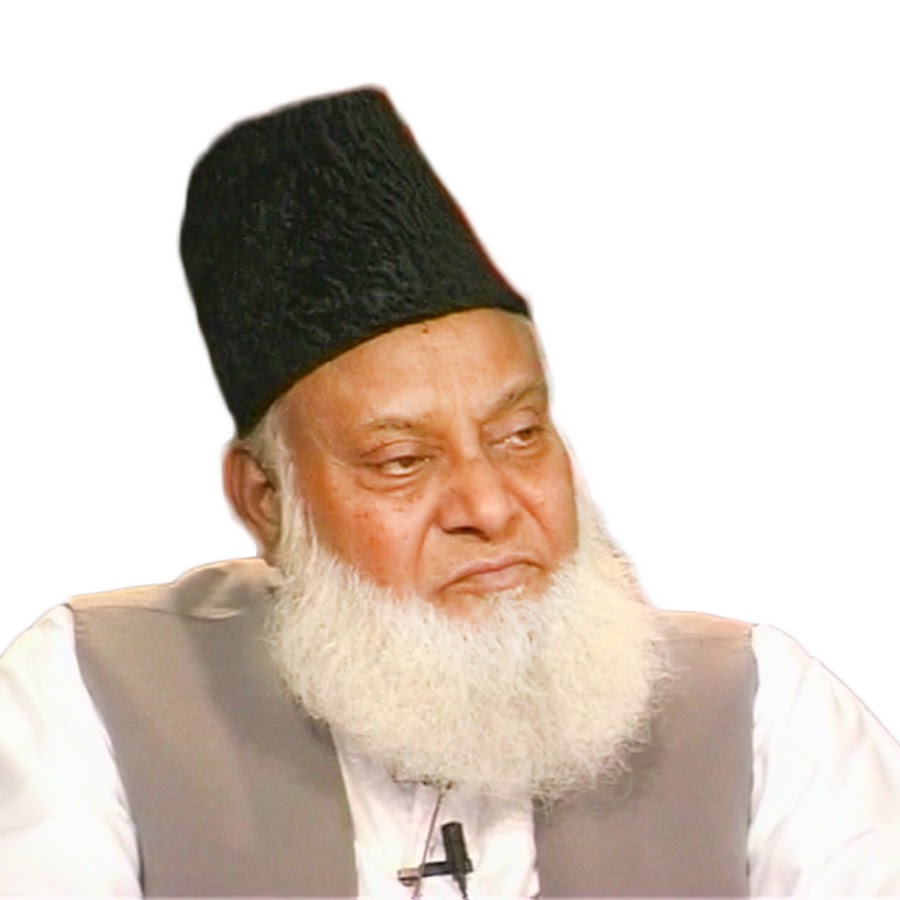
Name : Dr Israr Ahmad
Date of Birth : 26 April 1932
Birth Place : Hisar, Punjab (A district of East Punjab, now a part of Haryana )
Residence : Sahiwal, Punjab
Death: Apr 14, 2010 ((aged 77, Lahore)
Famous : Pakistani Islamic scholar
Author of : 60 books on Islam and Pakistan
1st Ameer of Tanzeem-e-Islami (1975–2002)
Early Life and Education
- Birth and Family Background: Born on 26 April 1932 in Hisar, Punjab, India, to a Ranghar Muslim Rajput family.
- Family Relocation: Moved to Montgomery (now Sahiwal) due to his father’s civil service job.
- High School: Graduated from a local high school in Montgomery
Higher Education
- Medical Degree: Attended King Edward Medical University in Lahore, graduated with an MBBS degree in 1954.
- Islamic Studies: Obtained a master’s degree in Islamic Studies from the University of Karachi in 1965.
Early Political Involvement
- Independence Movement: Worked briefly for the Muslim Student’s Federation.
- Post-Independence Activities: Joined Islami Jami`yat-e-Talaba, and later Jamaat-e-Islami in 1950.
- Departure from Jamaat-e-Islami: Left in 1957 due to differing views on involvement in national politics.
Founding of Tanzeem-e-Islami
- Departure from Jamaat-e-Islami: Left in 1956 due to its involvement in electoral politics.
- Tanzeem-e-Islami: Founded this organization to emphasize the implementation of Qur’an, Sunnah, and Sharia in all life spheres.
- Views on Caliphate: Advocated for the restoration of the Caliphate and believed Pakistan should be its foundation.
- Western Influence: Opposed Western values, considering them a threat to Islam and Pakistan.
- Democratic Governance: Considered it un-Islamic.
Further Studies and Philosophy
- Interest in Islam and Philosophy: Grew after moving to Karachi in the 1960s.
- University of Karachi: Studied Islam and deepened his philosophical interests.
Books and Contributions
- Authorship: Authored around 60 books on Islam and Pakistan.
- Translations: 29 books translated into several languages, including English (as of 2017).
Religious and Political Views
Governance
- Ahmad opposed modern democracy and the prevalent electoral system.
- Believed in a true Islamic state where the ruler can overturn majority decisions of an elected assembly.
Relationship with Abul Ala Maududi
- Considered himself a product of Maududi’s teachings.
- Opposed Jamaat-e-Islami’s involvement in power politics.
- Advocated for a “revolutionary methodology” and a “disciplined organization.”
Anti-Shi’i Views
- Became part of Saudi Arabia’s anti-Shiite campaign in the 1980s.
- Delivered popular Friday sermons in Lahore, attacking Khomeini and Shi’ism.
- Campaign contributed to sectarian violence, resulting in approximately 4,000 deaths between 1987 and 2007.
Role of Women
- In 1982, Ahmad stated that women should be barred from all professions except medicine and teaching.
Cricket
- Urged then-president Zia-ul Haq to ban the game of cricket.